6 Best Transmission Additives (2026 Review Guide)
The Best Ranked Transmission Additive
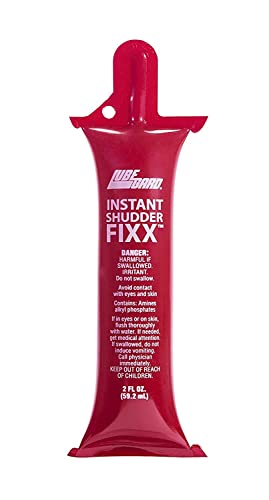
Lubegard Instant Torque Converter Shudder Fix
Lubegard Instant Shudder Fix is designed to quickly eliminate torque converter shudder, helping to restore smooth transmission performance. It offers superior protection by reducing wear significantly compared to standard automatic transmission fluids.
Key Features:
- Effectively eliminates torque converter shudder immediately
- Reduces transmission wear up to four times more than ordinary ATF
- Trusted original formula for fixing transmission shudder
- Highly rated by transmission industry professionals
Pros
- Quickly resolves torque converter shudder issues
- Provides enhanced protection for transmission components
- Widely respected and recommended by experts
Cons
- May require professional installation for best results
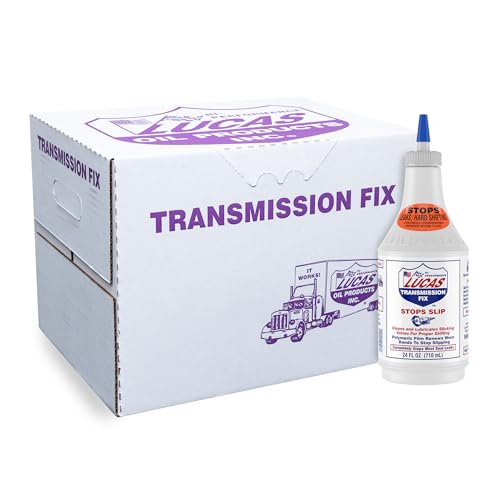
Lucas Oil Transmission Fix - 24 oz
Lucas Oil Transmission Fix helps reduce operating temperatures, eliminates foaming, and can be added directly to your existing transmission fluid without the need for draining. It ensures smoother transmission performance and protection.
Key Features:
- No solvents included
- Reduces operating temperature and prevents foaming
- Compatible with existing transmission fluid, no draining required
Pros
- Easy to add without draining fluid
- Helps lower transmission temperature
- Stops fluid foaming
Cons
- May not resolve all transmission issues
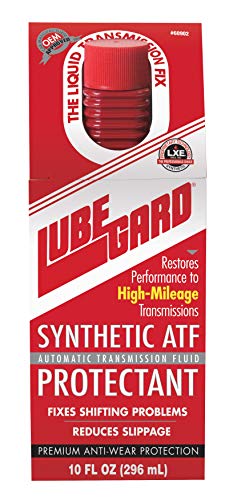
Lubegard Automatic Transmission Fluid Protectant, 10 oz
Lubegard Automatic Transmission Fluid Protectant helps reduce wear and overheating in your vehicle's transmission. It enhances transmission performance by smoothing shifts and eliminating clutch chatter for a smoother driving experience.
Key Features:
- Universal fit for most automatic transmissions
- Reduces transmission wear and enhances overall performance
- Prevents overheating by lowering operating temperatures
- Eliminates clutch chatter and torque converter shudder
- Smooths and shortens harsh gear shifts
Pros
- Compatible with most automatic transmissions
- Improves transmission longevity and performance
- Enhances driving comfort by smoothing shifts
Cons
- Effectiveness may vary depending on transmission condition
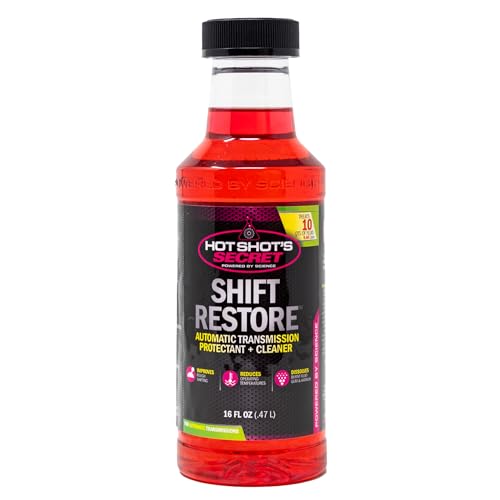
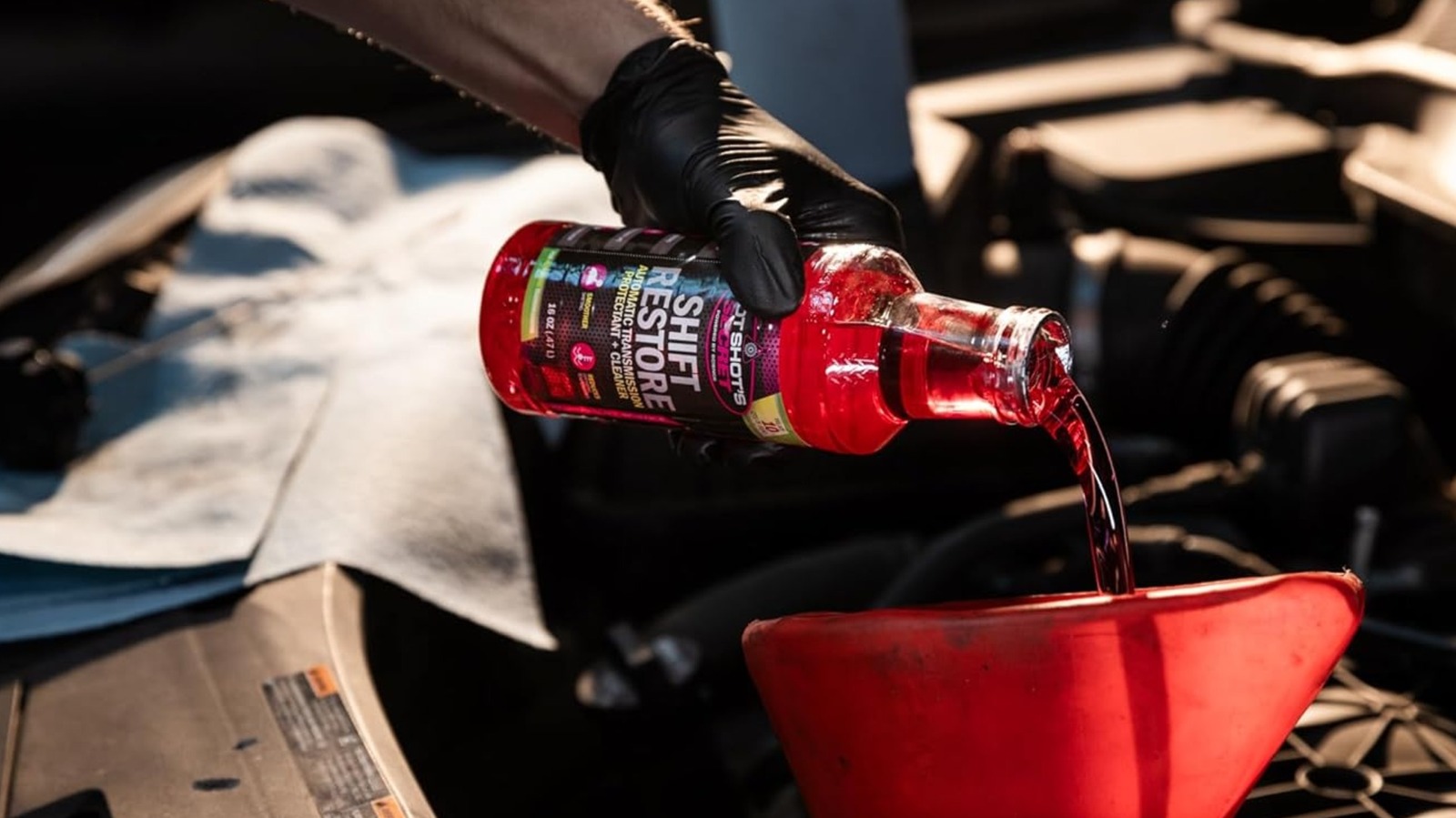
Hot Shot's Secret Shift Restore Transmission Additive
Hot Shot's Secret Shift Restore is designed to improve automatic and CVT transmission performance by reducing operating temperatures and friction. It helps smooth gear changes and minimizes wear by reducing metal-to-metal contact, promoting a longer transmission life.
Key Features:
- Reduces transmission operating temperatures
- Eliminates slipping in automatic and CVT transmissions
- Lowers friction for improved performance
- Minimizes metal-to-metal contact inside the transmission
- Smooths gear shifting for better drivability
Pros
- Improves shifting smoothness
- Reduces transmission wear
- Works with both automatic and CVT transmissions
Cons
- Effectiveness may vary depending on transmission condition
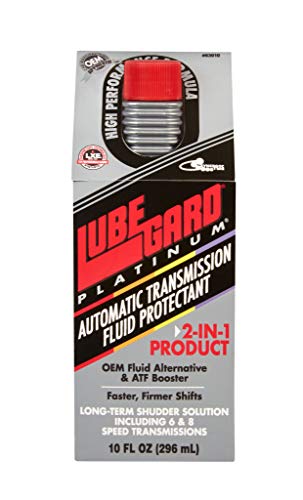
Lubegard Platinum Automatic Transmission Fluid Protectant, 10 oz
Lubegard Platinum ATF Protectant improves transmission performance by reducing friction and wear while protecting internal components. Formulated with advanced Synergol TMS Technology, it prevents overheating, locks in the right friction balance, and extends fluid life. This protectant also restores seals and keeps valves free, ensuring smooth and reliable shifts.
Key Features:
- Universal ATF protectant compatible with all automatic transmission fluids, eliminates the need to stock multiple types
- Reduces friction and wear on metal parts and internal components
- Maintains the sulfur balance in transmission fluid and prevents overheating
- Protects yellow metals and inhibits fluid oxidation and foaming
- Contains patented Synergol TMS Technology to tighten shift cycles and eliminate shudder without losing friction modification at lockup
- Extends intervals between fluid changes
- Conditions and restores seals and o-rings for optimal performance
- Free of harmful additives like zinc (ZDDP) and ash
- Frees and keeps valves from sticking to ensure smooth gear shifts
Pros
- Compatible with all automatic transmission fluids
- Reduces wear and prevents overheating
- Extends fluid change intervals and restores seals
Cons
- Only available in a small 10 oz size, which may not suffice for multiple transmissions
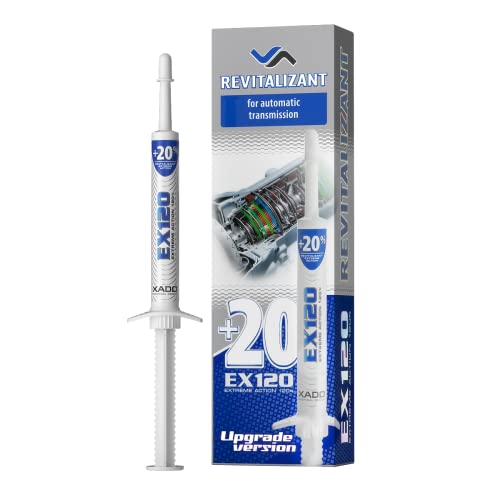
XADO EX120 Automatic Transmission Treatment
The XADO EX120 Automatic Transmission Treatment is designed to restore and protect your vehicle's transmission system. It effectively reduces issues like sticking, shuddering, and slipping, while enhancing the overall performance and longevity of various transmission types, including CVT, Tiptronic, and semi-automatic systems.
Key Features:
- Restores and rebuilds metal parts, preventing future wear
- Contains anti-friction modifiers to eliminate surface defects and protect against extreme heat
- Reduces transmission shudder, noise, and vibration
- Improves reliability and extends the lifespan of control gears
- Compatible with automatic, CVT, Tiptronic, Manumatic, and semi-automatic transmissions
Pros
- Effectively stops transmission slipping and shuddering
- Enhances transmission performance and durability
- Works universally across multiple transmission types
Cons
- May require professional evaluation to see full benefits
Why Should You Even Care About Transmission Additives?
Ever notice that smooth 'click' when your car shifts gears effortlessly? That's more than just satisfying, it's a sign that your transmission is happy, healthy, and well-oiled. And transmissions work hard, turning engine power into motion, but they also deal with heaps of friction and wear. That's exactly where transmission additives come into play. They're the unsung heroes you don't hear about much but can make a world of difference, especially if you want to keep your ride running smooth, without costly repairs sneaking up on you.
Transmission 101: A Bit More Than Just Gears
Before we get into why additives matter, a quick refresher on what a transmission actually does. Think of it as the gearbox maestro, orchestrating which gears to engage at just the right moment, so your engine's power converts neatly into speed without grinding, slipping, or overheating.
all these moving parts generate friction, lots of it. And friction? It's a little like that annoying squeaky door hinge that just refuses to calm down. Without proper lubrication and care, that friction can wear your transmission down. Plus, dirt, sludge, and tiny metal shavings can build up, clogging the works. So, keeping this system slick and clean is crucial.
Reviews you may find interesting:
10 Best Car Wheel Cleaners (2026 Review Guide)8 Best Car Trash Cans (2026 Review Guide)
9 Best Truck GPS (2026 Review Guide)
What Do Transmission Additives Really Bring to the Table?
Simple: they help the transmission fluid do its job better. But it's not just about making the fluid shinier or smelling slightly minty (though wouldn't that be nice!). These additives improve lubrication properties, reduce wear between moving parts, prevent corrosion, and sometimes even clean away residue and deposits that sneak into your transmission.
One might wonder, can they repair worn-out parts? Not exactly. Transmission additives aren't magic potions, but they're like giving your transmission a customized energy drink. They soothe the gears, tighten seals to prevent leaks, and often help reduce noise and rough shifting that can plague older cars.
How Do You Know If You Need Transmission Additive?
While you might feel tempted to throw in an additive just because. But a little heads-up: if your transmission is slipping violently or making grinding noises, that's probably a call for a mechanic. However, if you notice:
- Occasional rough shifts or hesitation
- Unusual clunks when changing gears
- Leaking or dark, dirty transmission fluid
- Transmission temperature running hotter than usual
Then tossing in a transmission additive might just help smooth things out or prolong time between visits to the shop.
Timing Is Everything: When to Add the Additive?
It's tempting to think you should pop that bottle in your transmission fluid every week, but that's overkill. Most experts recommend applying transmission additives during fluid changes or every 30,000 to 50,000 miles, depending on the additive's instructions.
This timing ensures the additive mixes with fresh transmission fluid, letting it perform at its peak. Imagine pouring syrup into freshly brewed coffee versus a cold cup left out all day, the fresh fluid helps spread those additive benefits more evenly.
Are All Transmission Additives Created Equal?
Honestly, no. There's quite a variety out there, each designed with slightly different goals. Some primarily focus on lubrication, others on cleaning buildup inside the transmission, and a few even aim to rejuvenate worn seals to help prevent leaks.
Choosing the right one depends on your vehicle and its needs. For instance, certain additives specifically cater to automatic transmissions, while others work better for manual setups. And hey, some are even designed to be compatible with tricky CVTs (Continuously Variable Transmissions), which operate quite differently.
Myths That Need Busting: What Additives Can't Do
Here's the honest truth: you won't fix a burnt-up transmission just by adding a bottle of additive. If your transmission's seriously damaged, additives can't replace the worn clutch plates or fix broken solenoids. What they can do is help maintain a transmission that's still sound, or potentially extend the life of one starting to show minor wear.
So, don't rely on additives as a last-minute rescue squad. Think of them as gentle caretakers, not emergency responders.
Why Not Just Rely on Transmission Fluid Alone?
Regular transmission fluid is designed to lubricate and cool, sure. But over time, its performance drops, fluid degrades, thickens, and loses some of that protective punch. Additives boost this protection by tackling specific issues fresh fluid alone might miss.
It's kind of like sunscreen: using it is crucial, but sometimes you want a moisturizer with extra antioxidants to give your skin a little TLC. Additives are the TLC for your transmission fluid.
Using Transmission Additives: Tips You'll Thank Yourself For
- Follow the instructions: As tempting as it might be to pour in an entire bottle, stick to the recommended dosage.
- Check compatibility: Your vehicle's manual is still a trusty guide, make sure the additive suits your transmission type.
- Stay consistent: Add additives during routine maintenance rather than waiting for trouble to start.
- Don't mix brands recklessly: Some additives play well together; others don't.
Wrapping It Up: Is a Transmission Additive Worth It?
By the way, If you love your car and want to keep it humming with smooth, precise gear changes, then yes, it's worth considering transmission additives as part of your maintenance routine. They may not be the miracle cure some marketing makes them out to be, but they help by reducing wear, preventing leaks, and generally supporting your transmission's hard work.
Think of it as giving your gearbox a gentle high-five every now and then, keeping it happy so it can keep powering your adventures without hiccups.