7 Best Tire Chains (2026 Review Guide)
The Best Ranked Tire Chain
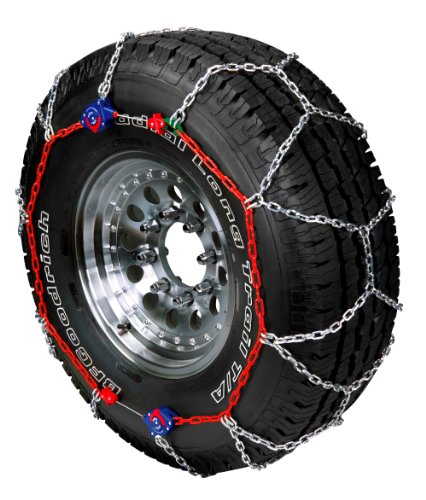
Auto-Trac Tire Traction Chains for Light Trucks and SUVs - Set of 2
These Auto-Trac tire traction chains offer enhanced grip and control for light trucks and SUVs in slippery conditions. Designed for quick installation, they feature self-tightening ratchets for a secure and centered fit, ensuring safer driving on snow and ice.
Key Features:
- Self-tightening ratchets automatically secure and center the chains
- Quick and easy installation and removal within minutes
- Diamond-pattern cross chains deliver smoother rides and improved traction
- Maximum speed limit of 30 MPH when chains are in use
- Chains should be fitted before use; fit may vary depending on tire age, manufacturer, and tread type
Pros
- Automatic tightening for consistent, secure fit
- Simple installation process
- Enhanced traction and ride comfort with diamond pattern design
Cons
- Limited to speeds of 30 MPH while chains are installed
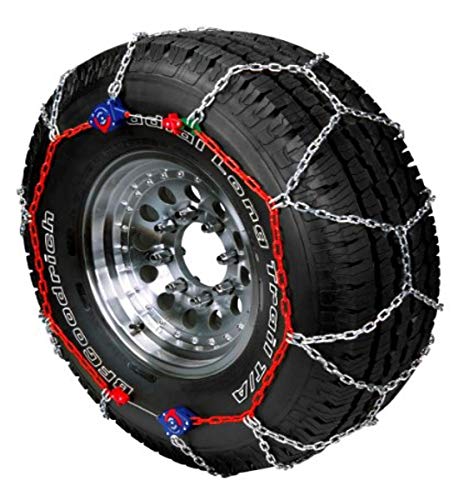
Auto-Trac Light Truck/SUV Tire Traction Chains - Set of 2
Enhance your light truck or SUV's traction with these Auto-Trac tire chains. Designed for easy installation and removal, they feature self-tightening ratchets for a secure fit and a diamond pattern cross chain for improved grip and a smoother ride. Ideal for snowy or icy conditions, these chains meet Class "S" clearance requirements for safe and reliable use.
Key Features:
- Self-tightening ratchets ensure automatic tightening and centering
- Quick and easy installation and removal
- Maximum speed limit of 30 mph when chains are used
- Meets Class "S" clearance standards for light trucks
- Diamond pattern cross chain delivers smooth ride and superior traction
Pros
- Automatic tightening for secure fit
- Simple installation and removal
- Improves traction and ride smoothness
Cons
- Speed limited to 30 mph when chains are installed
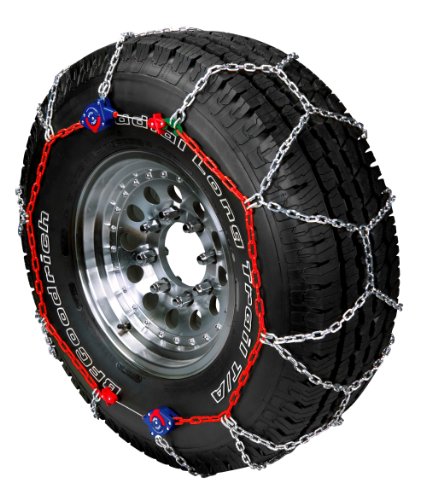
Auto-Trac Tire Traction Chains for Light Truck and SUV
These tire traction chains are designed to provide enhanced grip and safety for light trucks and SUVs driving in snowy or icy conditions. Featuring self-tightening ratchets for effortless installation and a diamond pattern cross chain for a smoother ride, they ensure reliable performance when road traction is compromised.
Key Features:
- Self-tightening ratchets automatically tighten and center the chains
- Quick and easy to install and remove
- Safe usage speed up to 30 mph
- Diamond pattern cross chain offers superior traction and smoother ride
Pros
- Automatic self-tightening ensures secure fit without manual adjustment
- Easy to install and remove, saving time
- Provides improved traction and safer driving on snow and ice
Cons
- Speed limit of 30 mph may restrict driving pace
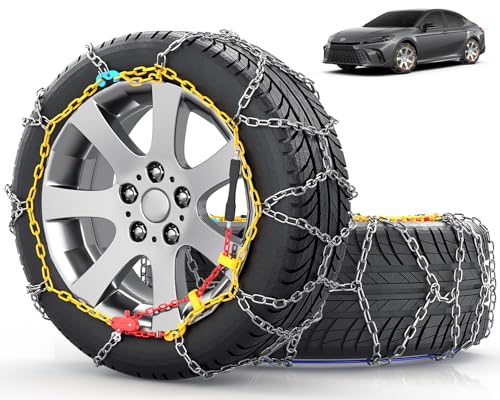
Easy Install Snow Chains for Passenger Cars and SUVs
These snow chains provide reliable traction on snowy and icy roads, designed for passenger cars, sedans, and SUVs. Easy to install with a secure locking mechanism, they ensure safety and durability throughout winter driving conditions.
Key Features:
- Designed to provide secure traction for compact cars, sedans, and SUVs on snowy roads.
- Fits a wide range of tire sizes to accommodate changes from temperature and wear; refer to the tire chart for the best match.
- Simple installation with a one-pull fit design and a backstop lock to keep chains tight and secure during driving.
- Made from high-strength alloy steel for durability and effective ice-breaking performance.
- Includes 1 pair of snow chains, 1 pair of cotton gloves, replacement buckles, a user guide, and a storage case for easy organization.
Pros
- Quick and easy installation with secure locking mechanism.
- Durable alloy steel construction for reliable traction on ice and snow.
- Includes gloves and storage case for convenience.
Cons
- Requires correct sizing selection based on tire chart for optimal fit.
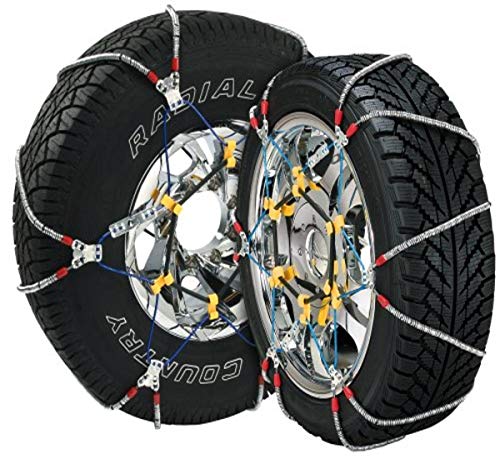
SCC Super Z6 Tire Chains for Passenger Cars, Pickups, and SUVs
These SCC Super Z6 tire chains provide a reliable and quick solution for vehicles with limited clearance around the drive tires. Designed for easy installation without moving the vehicle, they come with built-in rubber tighteners that maintain tension without the need for readjustment.
Key Features:
- Suitable for cars, pickups, and SUVs with limited clearance around drive tires
- Quick and easy installation without moving the vehicle
- Integrated rubber tighteners maintain chain tension without readjustment
Pros
- Easy installation process
- No need to stop and retighten after installation
- Fits vehicles with limited tire clearance
Cons
- Made in China, which may concern some buyers regarding durability
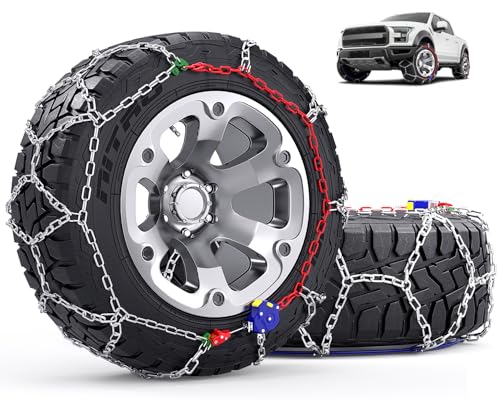
Heavy-Duty Quick-Install Snow Chains for Pickup Trucks & SUVs
These heavy-duty snow chains offer fast, reliable traction for pickup trucks and off-road SUVs. Designed for quick one-minute installation without moving your vehicle, they ensure safety and performance on snow, ice, mud, and sand. Made from durable alloy steel, they promise long-lasting use and come with a handy storage box for convenience.
Key Features:
- Designed for pickup trucks and off-road SUVs to provide strong traction.
- Quick installation in just one minute without needing to move the vehicle.
- Auto-fixing mechanism eliminates need for rubber tighteners and retightening.
- Made from thick alloy manganese steel for durability and reliable grip.
- Easy to clean with water and dries quickly; includes a storage box for convenience.
Pros
- Fast and easy installation saves time and effort.
- Durable construction ensures reliable traction in various conditions.
- Auto-fixing design prevents loosening during use.
Cons
- May be bulky to store when not in use.
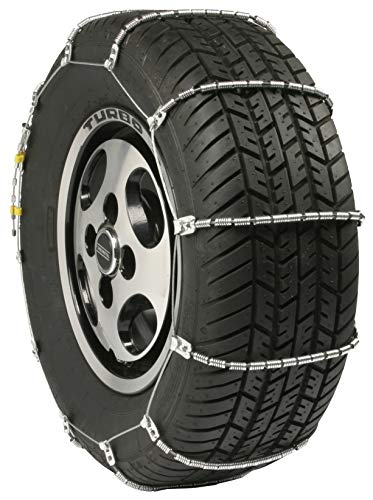
Radial Chain Cable Traction Tire Chains - Set of 2
These durable radial chain cable traction tire chains are designed to enhance vehicle performance by improving starting, stopping, and cornering. Made from stainless steel, they offer long-lasting durability and require minimal space around drive tires, making installation and removal simple and efficient.
Key Features:
- Fits tires with limited clearance around drive tires
- Lightweight design for easy mounting and removal
- Enhances vehicle traction for better start, stop, and cornering control
- Made of stainless steel for maximum durability
- Designed for a smooth ride without the need for chain tighteners
- All-steel construction with Peerless Industrial Group traction coils that resist flattening
Pros
- Durable stainless steel construction
- Easy to install and remove due to lightweight design
- Improves overall driving traction and safety
Cons
- Chain tighteners should not be used, which may limit some adjustment options
Why Tire Chains Matter More Than You Might Think
Winter roads can be downright tricky, slippery, icy, and downright unforgiving. If you've ever found yourself stuck or sliding more than you'd like, you probably get why reliable traction isn't just a luxury; it's a safety essential. That's where tire chains come into the spotlight.
you might be thinking, isn't driving carefully enough? While but sometimes caution just isn't enough when snow piles up or black ice sneaks in. Tire chains give your vehicle that extra grip, letting you slice through winter woes with a bit more confidence.
How Tire Chains Work Their Magic
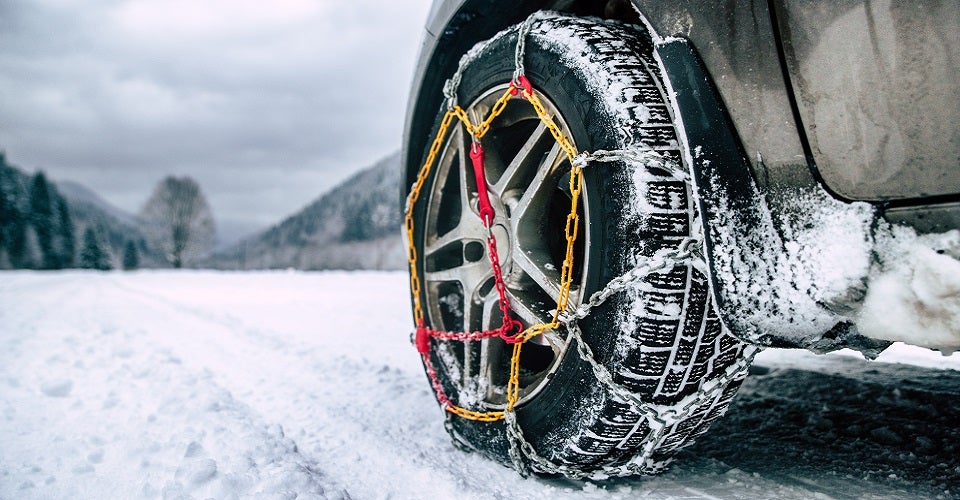
At first glance, chains on tires might look old-school, maybe even a bit clunky. Yet they're surprisingly effective. By wrapping around the tire tread, chains dig into snow and ice, preventing those dreaded slips and slides. Think of them as winter boots for your tires, adding texture and bite when things get slick.
Picking the Right Tire Chain for You
Reviews you may find interesting:
9 Best ECU Coding OBD-II Scanners (2026 Review Guide)7 Best Car Waxes (2026 Review Guide)
7 Best Tire Pressure Gauges (2026 Review Guide)
Here's the thing: not all chains are created equal. Depending on your vehicle type, driving needs, and local conditions, you'll want to consider several factors.
For starters, there's the size. Like shoes, tire chains need to fit right. Too loose and they flop around, causing damage; too tight and they might snap. The tire size is printed clearly on your tire's sidewall , a string of numbers and letters , so grab that info before shopping.
Material and Design: The Subtle Differences
Chains come in various materials: steel, alloy, and even some coated with protective layers to minimize rust. Steel is robust and time-tested, but alloy chains are lighter and often easier to install. Design-wise, there are traditional ladder styles and diamond patterns, each offering different traction benefits.
Diamond patterns usually offer smoother rides and better grip for cornering, but they can be pricier. Traditional ladder chains excel in deep snow or mud. It's a bit like picking running shoes: one pair doesn't fit all, and your conditions guide the best choice.
Installation Tips: You'll Thank Yourself Later
Installing tire chains might seem daunting, especially the first time. Honestly, it's a task that benefits from a little practice before you need it, kind of like rehearsing a fire drill. You want to be ready, not scrambling roadside in freezing weather.
Start by laying the chains out flat and untangled. Drape them over the top of the tire, hook the fasteners, and make sure they're snug but not overly tight. Remember to drive a short distance and retighten if needed. Feeling confident with the setup beforehand makes winter drives way less stressful.
Common Installation Pitfalls to Avoid
- Don't wait until you're stuck to try installing chains for the first time.
- Make sure chains don't touch brake lines or suspension parts.
- Always check chain tension after 50-100 feet of driving.
- Avoid installing on dry roads, chains will wear out faster.
Maintaining Your Tire Chains: Keep 'Em Ready for Action
It's easy to overlook maintenance, but tire chains deserve a bit of TLC. After each trip, especially in salty or slushy conditions, give them a good rinse and dry to prevent rust. Inspect for broken links or worn fasteners, because a snap on the road is no joke.
Proper storage is key, keep chains in a dry, cool spot, preferably in their original bag or a sealed container. That way, they'll be fresh, reliable, and ready whenever winter decides to turn up the chill.
Frequently Asked Questions and Other Tidbits
By the way, There's often confusion about where and when you can use tire chains. Rules can be tricky, some states require chains only during snow emergencies, while others ban them once roads are clear. Always double-check for your area; no one wants a ticket while trying to stay safe.
And what about alternatives? Snow socks or cables offer less bulk and easier installation but tend to wear out faster. Studded tires provide year-round grip but come with noise and potential pavement damage. Chains hit that sweet spot for reliability and performance if you're facing real winter conditions.
Wrapping it Up: Your Winter Traction Partner
Tire chains might seem like a hassle or outdated to some, but honestly, when mother nature throws a snowstorm your way, you'll be glad you had that extra grip. They're about more than just traction, they're peace of mind wrapped around your tires.
Remember, understanding your vehicle's size, knowing how to install, and caring for your chains makes all the difference. It's like any tool, you get the most out of it when you know it inside and out.
So, whether you're a weekend adventurer, a daily commuter, or just someone who occasionally braves winter roads, keeping tire chains handy is a small step that can prevent a big headache. After all, isn't that what smart drivers do?