8 Best Cold Air Intake Systems (2026 Review Guide)
The Best Ranked Cold Air Intake System
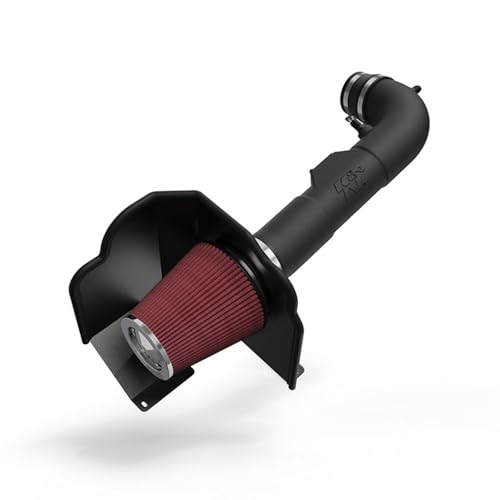
K&N Cold Air Intake System for Chevy, GMC, Cadillac Trucks and SUVs
This cold air intake system by K&N enhances your vehicle's performance by increasing horsepower and torque through improved airflow. Designed for select Chevy, GMC, and Cadillac models, it boosts throttle response and towing capability while providing a deeper engine sound. With a reusable high-flow filter and easy installation, it offers long-term value and reliable quality.
Key Features:
- Increases horsepower and torque with improved airflow
- Dynamometer-tested and verified for performance gains
- Enhances engine sound for a more aggressive growl during acceleration
- Improves throttle response and uphill towing performance
- Does not void vehicle warranty and includes a lifetime limited warranty
- Reusable high-flow air filter with four layers of cotton media needing cleaning only every 100,000 miles
- Includes all necessary parts and detailed installation instructions; installs in under 60 minutes
- Made in the USA with dedicated customer support
Pros
- Noticeable boost in engine power and torque
- Reusable air filter lowers maintenance costs
- Simple installation with included instructions
- Improved towing performance and throttle response
Cons
- Might amplify engine noise, which may not suit everyone
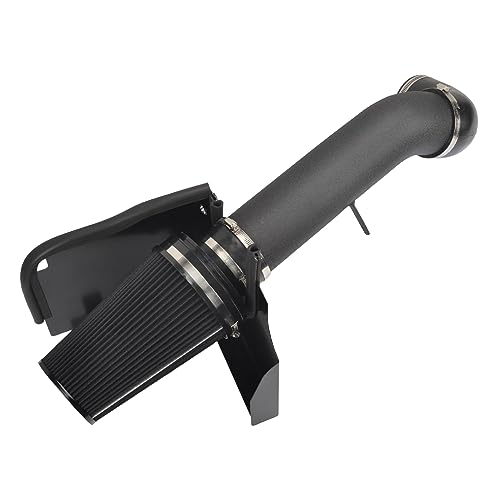
4" Cold Air Intake System with Heat Shield for 1999-2006 GMC/Chevy V8 4.8L/5.3L/6.0L
This 4-inch cold air intake system with a durable heat shield is designed for 1999-2006 GMC and Chevy V8 engines (4.8L, 5.3L, 6.0L). It enhances engine performance by allowing more cold air intake, which improves throttle response and horsepower. The kit includes high-quality, washable air filter and silicone couplers for a reliable and lasting installation.
Key Features:
- Compatible with 1999-2006 GMC and Chevy V8 4.8L, 5.3L, and 6.0L engines
- Includes a durable powder-coated steel heat shield to protect and improve airflow
- Helps increase cold air intake for better throttle response and horsepower
- Comes with washable and reusable air filter for easy maintenance
- Includes high-quality 4" silicone couplers (one straight, one 90) for secure connections
- Easy to install with basic tools; professional installation recommended
Pros
- Improves engine horsepower and torque by increasing cold air intake
- Durable heat shield with protective powder coating
- Washable and reusable air filter reduces maintenance costs
Cons
- Professional installation is recommended for best results
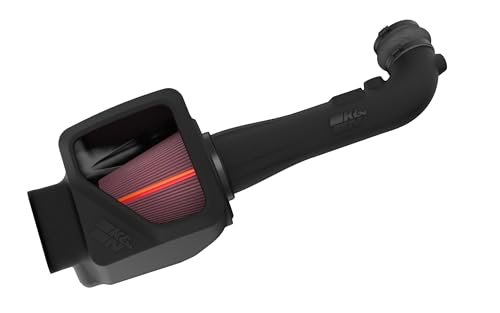
K&N NextGen Cold Air Intake System for GM Trucks and SUVs (2014-2020)
The K&N NextGen Cold Air Intake system is engineered to boost horsepower and torque for various GM trucks and SUVs. Featuring a high-flow cotton filter and an advanced airbox design, it enhances airflow while protecting your engine from contaminants. The system is easy to install with Quick-Lock technology and offers a sleek look under the hood, making it a great upgrade for performance enthusiasts.
Key Features:
- Proven to increase horsepower and torque without causing drone during cruising.
- Hybrid airbox with enlarged fresh air inlet improves airflow and lowers intake air temperatures.
- Oversized air filter with increased surface area and radius-entry design for enhanced airflow.
- Large-diameter intake tube with strategically placed air channels boosts airspeed and volume.
- Engineered for a precise fit that improves engine bay appearance and overall performance.
- Quick and easy installation with minimal mounting hardware and Quick-Lock filter technology.
- High-quality cotton gauze filter layers with oil-tacking technology for superior filtration.
- Backed by a no-hassle lifetime limited warranty and designed to maintain your factory warranty.
Pros
- Significant increase in horsepower and torque with a noticeable engine sound boost.
- Easy installation with advanced Quick-Lock filter design.
- Durable, high-quality filtration that extends cleaning intervals.
Cons
- Fits specific GM models only, limiting compatibility.
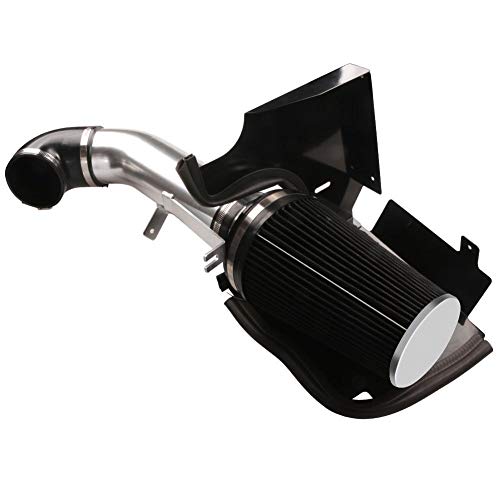
4" Cold Air Intake System with Heat Shield for GMC/Chevy V8 4.8L-6.0L Trucks
This 4-inch cold air intake system with heat shield is designed to improve airflow and engine performance for select GMC and Chevrolet V8 trucks from 1999 to 2007. It enhances throttle response and helps maintain cooler intake temperatures for better combustion efficiency.
Key Features:
- Compatible with 1999-2006 GMC/Chevy Silverado 1500, 2500, 3500 and Avalanche 1500 models
- Fits Suburban 1500/2500, Tahoe, Yukon and Yukon XL 1500/2500 models from 2000-2007
- Includes a heat shield to reduce intake air temperature and improve performance
- Designed for V8 engines with displacements of 4.8L, 5.3L, and 6.0L
Pros
- Improves engine airflow and throttle response
- Heat shield reduces intake air temperature for better combustion
- Wide compatibility with various GMC and Chevy truck models
Cons
- Installation may require moderate mechanical skills
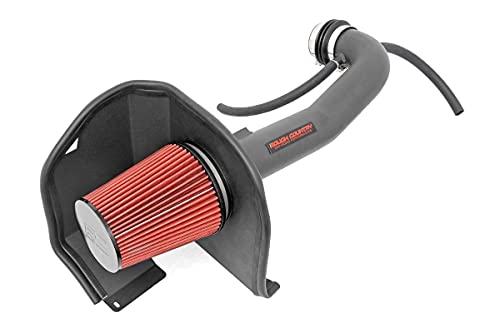
Cold Air Intake for Chevy Silverado & GMC Sierra 1500 (2014-2018) 5.3L/6.2L
This cold air intake system enhances your Silverado or Sierra's engine performance by delivering cooler, denser air. Designed for improved horsepower, torque, and acceleration, it features durable construction and a reusable high-performance air filter. Easy to install, it offers a noticeable boost in throttle response and towing power.
Key Features:
- Increases horsepower, torque, and acceleration by supplying cool, oxygen-rich air.
- Optimized airflow with a large-diameter tube for stronger combustion compared to stock filters.
- Constructed from high-density polyethylene with a molded heat shield to reduce engine heat exposure.
- Comes with a reusable, multi-layer air filter that protects the engine from debris and is easy to clean.
- Quick and straightforward installation with a limited lifetime warranty.
Pros
- Improves overall engine performance and throttle response.
- Durable materials withstand heavy-duty use and heat.
- Reusable filter reduces maintenance costs.
Cons
- May require periodic cleaning of the air filter to maintain optimal performance.
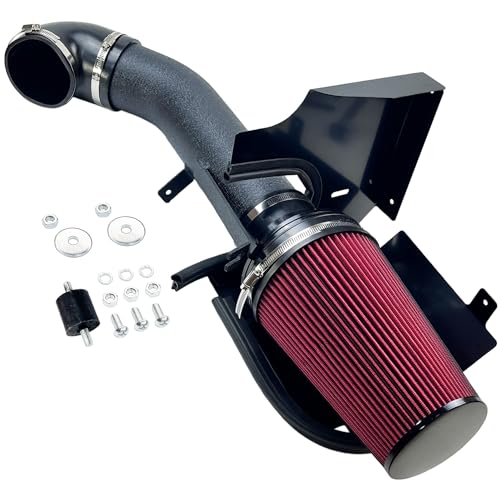
LLANNDER 4" Cold Air Intake System with Heat Shield for GMC, Chevy, Cadillac V8 Engines
The LLANNDER cold air intake system improves engine performance by drawing in cooler air, enhancing throttle response and horsepower. Featuring a durable aluminum alloy intake pipe and a protective heat shield, it reduces air intake resistance and shields the filter from debris and heat. Designed for easy installation and built to last, this intake system fits a range of GMC, Chevy, and Cadillac V8 models from 1999 to 2006.
Key Features:
- Improves engine throttle response and horsepower by supplying cooler, denser air
- Heat shield protects the air filter from dirt, debris, and underhood heat
- Cone-shaped high-flow filter with aluminum alloy funnel design maximizes airflow
- Aluminum intake pipe resists heat and corrosion, reducing intake resistance
- Designed for easy installation with a lifespan up to 200,000 kilometers
- Compatible with various GMC, Chevy, and Cadillac V8 models from 1999-2006
Pros
- Enhances engine performance with better airflow
- Durable construction resists heat and corrosion
- Easy to install with precise fitment for multiple vehicle models
Cons
- Compatibility limited to select V8 engines between 1999 and 2006
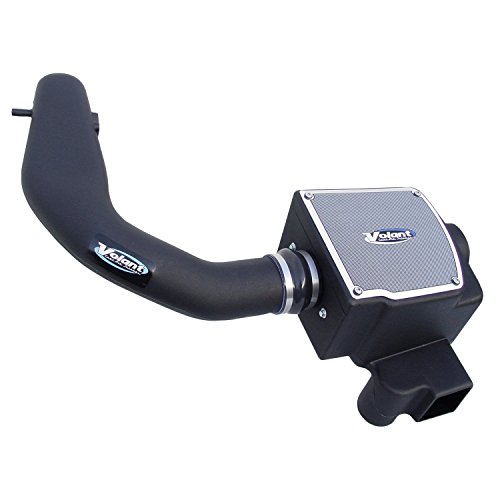
Volant Cool Air Intake Kit for Ford F150 5.4L (2004-2008)
Enhance your Ford F150's performance with the Volant Cool Air Intake Kit. Designed for 2004-2008 models with a 5.4L engine, this kit features a durable polyethylene construction, a cleanable and reusable high-grade filter, and an insulated lid available in polished aluminum or carbon fiber for easy maintenance and improved airflow.
Key Features:
- Compatible with 2004-2008 Ford F150 5.4L engines
- Constructed from durable cross-link polyethylene material
- Includes a cleanable and reusable high-grade air filter
- Equipped with an insulated lid made from polished aluminum or carbon fiber for easy access
Pros
- Improves engine airflow and performance
- Reusable air filter reduces replacement costs
- Durable materials ensure long-lasting use
Cons
- Limited to specific Ford F150 model years and engine size
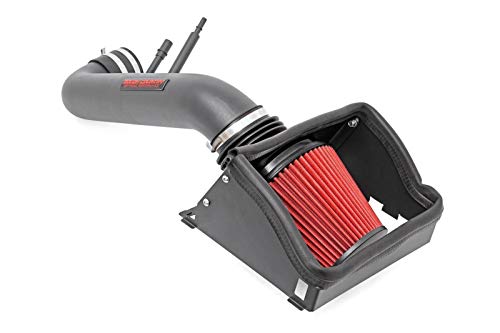
Rough Country Cold Air Intake for Ford F-150 2015-2020 V8 5.0L
Enhance your Ford F-150's engine performance with the Rough Country Cold Air Intake. Designed to deliver cooler, denser air to the engine, this system improves horsepower and overall power output. It includes a premium reusable air filter and offers easy installation with support from Rough Country, backed by a limited lifetime replacement warranty for peace of mind.
Key Features:
- Boosts horsepower and engine performance
- Delivers cooler, denser air to increase combustion efficiency
- Includes premium reusable air filter
- Easy installation with support from Rough Country
- Limited lifetime replacement warranty
Pros
- Improves engine power and responsiveness
- Reusable air filter reduces maintenance costs
- Simple, at-home installation process
Cons
- May require tuning for maximum performance gains
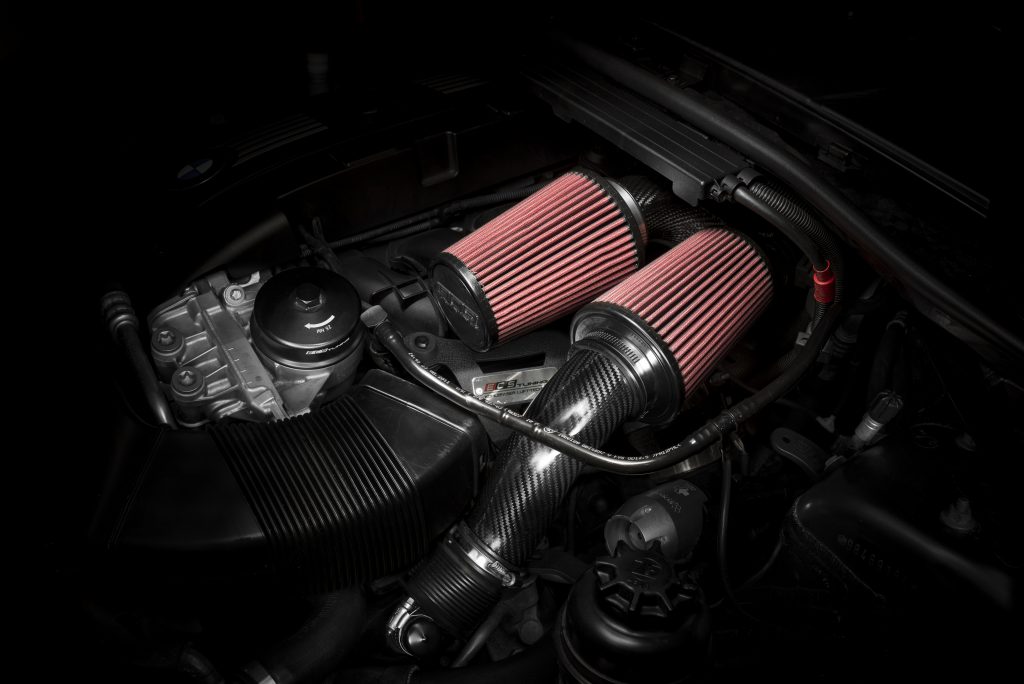
Why Should You Care About a Cold Air Intake System?
If you've ever wondered what little tweaks can make your car feel peppier and more responsive, a cold air intake system might just be the unsung hero you didn't know your ride needed. We all want that extra bit of oomph when hitting the accelerator, right? But here's the catch: your engine thrives on cool, dense air, and the stock setup often settles for warmer air lounging right under your hood.
So what's going on under the hood? The factory air intake boxes usually draw air from inside the engine bay, which tends to be warmer thanks to all those hard-working components. Warmer air means less oxygen per volume, and your engine's combustion process benefits hugely from oxygen-rich air. Thus, colder air can lead to more efficient combustion, bumping up horsepower and even improving how your vehicle sips fuel.
Breaking Down the Basics: How Cold Air Intakes Work
Let's peel back the layers here. A cold air intake (often just called CAI) swaps out the stock, squashed air filter and restrictive tubing for a more direct path , often a wider, smoother tube paired with a high-flow air filter placed in a cooler spot, sometimes even scooping air right from outside the engine bay.
This setup has two main goals: breathe easier and breathe cooler. That means less air resistance and more of that dense, oxygen-packed air hitting your engine. Think of it like giving your lungs pure mountain air instead of the stuffy room air; suddenly, your body performs better. Same idea under the hood.
Reviews you may find interesting:
6 Best Transmission Additives (2026 Review Guide)9 Best Car Ramps (2026 Review Guide)
7 Best OBD-II Scanners For Mileage Correction (2026 Review Guide)
What's in It for You? The Benefits That Matter
You know that feeling when your car just wakes up and seems eager to go? Yeah, a cold air intake can bring some of that. Here's a quick peek at what you might gain:
- Horsepower boost: Often, you'll see gains of around 5-15 horsepower, depending on your vehicle and the system.
- Better throttle response: Improved airflow means your engine reacts quicker when you press the gas.
- Potential fuel economy improvement: Cooler air can make combustion more efficient, so you might squeeze a bit more mileage per gallon.
- Engine sound: Many enthusiasts love the slightly deeper, throatier engine note that comes with aftermarket intakes.
Of course, you shouldn't expect miracles, these upgrades refine your driving experience rather than revolutionize it overnight.
Hold Up, Are There Any Downsides?
Look, nothing's ever all sunshine and roses. While cold air intakes offer some neat perks, they can introduce minor trade-offs or challenges you need to keep in mind:
- Water ingestion risk: Since some CAI systems lower the intake location to grab cooler air, there's a slight chance that water could be sucked in on wet roads or through puddles.
- Possible check engine lights: Modifying airflow can sometimes confuse your vehicle's sensors, especially on modern cars, leading to error codes.
- Filter maintenance: The reusable filters in many cold air intake kits need regular cleaning and oiling (if oiled), or replacement, to keep performing well.
But hey, these aren't dealbreakers if you stay mindful and pick a well-reviewed product.
Thinking About Installation? Here's What to Know
Rolling up your sleeves to install a cold air intake is a rite of passage for many gearheads and weekend warriors. Honestly, for most models, it's pretty straightforward , unbolt a few things, swap out the filter and tubing, then bolt it all back down.
You'll want to remember a couple of things to keep it smooth:
- Follow the instructions meticulously , even nice kits expect you to pay attention.
- Double-check that seals and clamps are snug to avoid unwanted air leaks.
- If your car has a mass airflow sensor, handle it gently; it's a sensitive piece.
Not feeling 100% confident? Don't sweat it; professional installation can save you headaches.
Maintaining Your Cold Air Intake: A Quick Heads-Up
Keeping your intake happy is mostly about filter care. Most cold air intakes come with reusable filters that you'll need to clean every 20,000 to 30,000 miles or so, more often if you're pounding dusty back roads.
Cleaning usually means taking the filter out, washing it with a special cleaner, letting it dry completely, then reapplying oil if it's an oiled type. It might sound like a hassle, but it's surprisingly satisfying, like pampering your car's lungs.
Also, take a moment to glance over the tubing and connections each time you check the filter. You want everything tight, secure, and free from cracks or leaks. A little TLC goes a long way in maintaining performance.
Is It Worth It? The Final Word
Honestly? If you're looking for that little extra edge in performance and like the idea of tinkering with your car, a cold air intake system is one of the more accessible upgrades you can make. It combines practical benefits, like a modest horsepower increase and added engine sound, with the fun of customizing your ride.
But it also demands a bit of care and common sense: no one's asking for a Frankenstein machine that runs rough and scares off your mechanic.
You get to enhance your driving experience, showing off that subtle growl and a smoother throttle response, and that can make difference on everything from your daily commute to weekend cruising.
So, are cold air intakes a game changer? Maybe not for everyone. But for those who appreciate the interplay between air, fire, and speed, it's a breath of fresh air in more ways than one.