7 Best OBD-II Scanners For Mileage Correction (2026 Review Guide)
The Best Ranked OBD-II Scanners For Mileage Correction
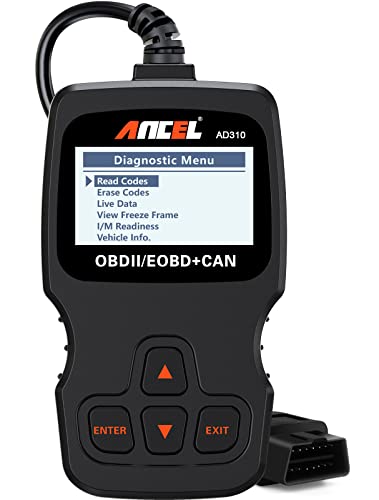
ANCEL AD310 Universal OBD II Car Engine Code Reader
The ANCEL AD310 is a reliable and user-friendly OBD II scanner designed to quickly read and clear engine error codes related to emission systems in most 1996 or newer vehicles. Compact and durable, it offers fast, accurate diagnostics without needing batteries, making it an essential tool for both DIYers and professional mechanics.
Key Features:
- Accurately reads and clears emission-related diagnostic trouble codes (DTCs).
- Displays live data, freeze frame data, I/M readiness status, and stores vehicle information.
- Sturdy and compact design with a 2.5-foot flexible, durable cable for ease of use.
- Powered directly via vehicle's OBDII port, no batteries or charging required.
- Supports all major OBDII protocols including KWP2000, J1850 VPW/PWM, ISO9141, and CAN.
- Compatible with most 1996 US, 2000 EU, and newer Asian, domestic, and foreign vehicles including cars, light trucks, and SUVs.
Pros
- Simple to use with clear display and labeled buttons.
- Lightweight and portable for convenient storage and transport.
- Fast and accurate diagnostic results to help quickly identify emission system issues.
Cons
- Only diagnoses emission-related codes; cannot detect non-emission engine faults.
- Does not support OBDI interfaces even with an adapter.
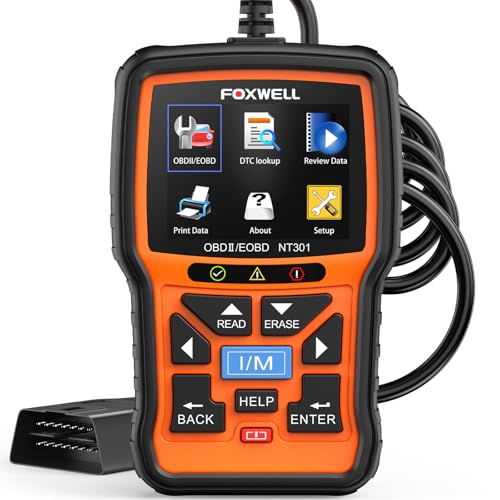
FOXWELL NT301 OBD2 Code Reader for Check Engine Light
The FOXWELL NT301 is a reliable OBD2 scanner that helps you diagnose check engine light issues with ease. It reads and clears diagnostic trouble codes, displays live vehicle data in graphs, and provides emissions readiness status for most 1996 and newer cars, SUVs, and light trucks. Designed for home and professional use, this plug-and-play device requires no updates before use and comes with lifetime free updates and one-year seller support.
Key Features:
- Reads and clears diagnostic trouble codes (DTCs) and turns off the check engine light (CEL) after repairs are made.
- Displays live sensor data in graph format for easier analysis of vehicle performance.
- Checks emissions readiness with clear indicators including LEDs and built-in speaker alerts.
- Supports multiple OBDII protocols: KWP2000, J1850 VPW, ISO9141, J1850 PWM, and CAN.
- Compatible with most 1996 US-based, 2000 EU-based, and Asian vehicles equipped with OBD2 ports.
- Powered through the vehicle's OBD2 port; no batteries required and no update needed before use.
- Features a 2.8-inch color screen with lifetime free software updates and one-year seller warranty.
Pros
- Simple plug-and-play operation with no need for prior software updates.
- Accurate live data graphing helps easily identify vehicle issues.
- Wide vehicle compatibility with support for multiple OBDII protocols.
- Lifetime free updates and solid customer support provide lasting value.
Cons
- Does not support advanced system diagnostics like ABS, TPMS, or battery registration.
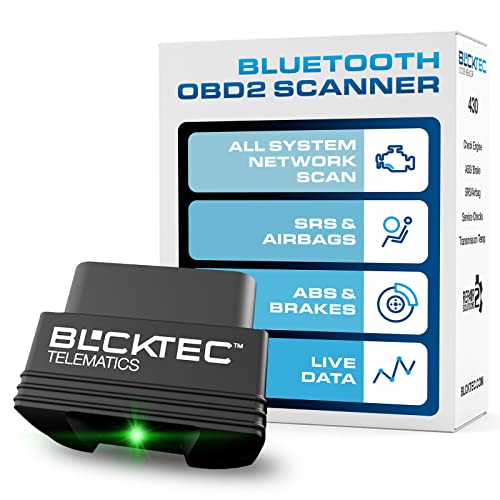
BLCKTEC 430 Bluetooth OBD2 Scanner for iPhone & Android
The BLCKTEC 430 is a compact Bluetooth OBD2 scanner that lets you diagnose and clear car trouble codes easily using your smartphone. It supports vehicles from 1996 and newer and provides access to advanced diagnostics such as ABS, Airbag, and SRS codes. Wireless and subscription-free, this tool puts professional-level vehicle health information at your fingertips, helping you make informed repair decisions.
Key Features:
- Compatible with most OBD2-compliant vehicles from 1996 to 2023, with function availability varying by make and model. Check compatibility before purchase.
- Reads and clears engine, ABS, Airbag, SRS, TPMS codes, and more depending on your vehicle.
- Delivers tailored repair reports with potential causes and verified solutions specific to your vehicle.
- Wireless connection via Bluetooth through the RepairSolutions2 app; no wires or batteries required.
- Includes a library of step-by-step repair videos to assist with DIY maintenance.
- One-time purchase with no subscription fees or hidden costs, offering full feature access.
- Designed and supported by Master Technicians in Southern California with dedicated customer support.
Pros
- Comprehensive diagnostics including advanced codes beyond standard OBD2 readers
- Wireless and easy to use with smartphones and tablets
- No subscription fees or hidden charges
Cons
- Only supported for use in the USA and Canada
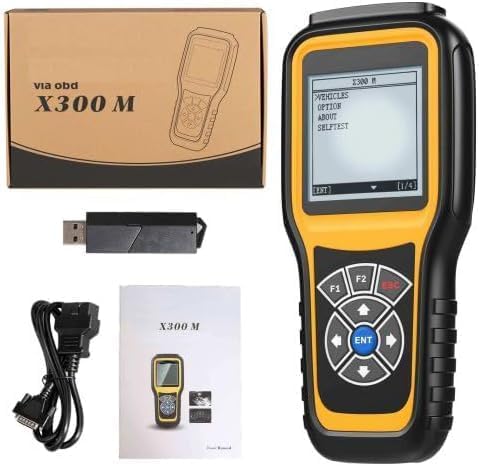
X300M Car Cluster Adjustment and OBDII Tool
The X300M is a reliable car adjustment tool designed for cluster calibration and OBDII mileage correction on a wide range of vehicles. Compact and shockproof, it offers easy operation and supports English language only. While it covers about 90% of car models theoretically, users should confirm compatibility before use, especially for BMW models where mileage correction is limited. This tool is ideal for professionals seeking precise adjustments via OBDII.
Key Features:
- Compact and shockproof design for easy portability and durability
- Supports English language interface
- Includes both cluster adjustment and OBDII mileage correction
- Compatible with approximately 90% of car models based on testing and theoretical support
- Compatibility varies by car make, model year, and country; verify before use
- Year ranges indicated on compatibility lists show approximate supported models
Pros
- Easy to carry and durable with shockproof design
- Dual function: cluster calibration and OBDII mileage adjustment
- Supports a wide range of car models
Cons
- Does not support mileage correction for all BMW models
- Compatibility not guaranteed for all vehicles, especially across different countries
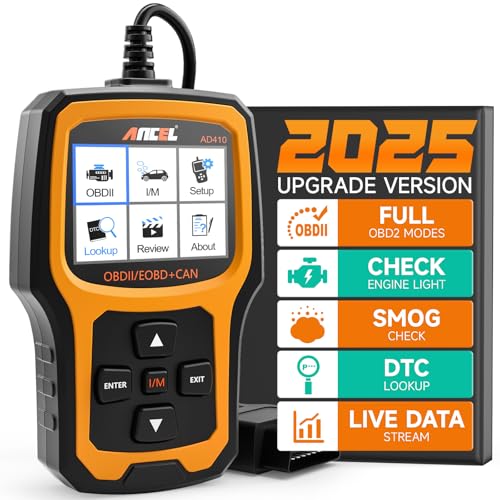
ANCEL AD410 OBD2 Scanner for Vehicle Fault Diagnosis
The ANCEL AD410 is a user-friendly OBD2 scanner designed to quickly read and clear engine fault codes on most cars and light trucks from 1996 onwards. It supports multiple OBDII protocols, offers comprehensive diagnostics for engine systems including O2 sensors and EVAP testing, and features a clear color display with an intuitive interface, making it suitable for both beginners and experienced mechanics.
Key Features:
- Compatible with all 16-pin OBDII vehicles using protocols like KWP2000, ISO9141, J1850 VPW/PWM, and CAN. Supports cars from 1996 (US), 2000 (EU), and Asian markets.
- Reads and clears stored and pending engine fault codes, provides definitions with over 42,000 built-in DTCs to help identify issues without internet searches.
- Performs advanced engine diagnostics including O2 sensor testing and EVAP system leak checks to aid in fuel efficiency and emission control.
- Clear 2.4-inch color LCD display with an intuitive interface for easy navigation and quick access to diagnostic functions.
- Powered directly through the vehicle's OBDII port without needing batteries or chargers; USB cable only required for software updates on Windows PCs.
- Supported by ANCEL's decade-long expertise with continuous updates and improvements; latest firmware update available as of October 2024.
Pros
- Wide compatibility with most OBDII vehicles globally
- Comprehensive engine diagnostics including O2 sensor and EVAP system tests
- Easy to use with a bright, color display and intuitive interface
Cons
- Does not support ABS, SRS, transmission, or other non-engine systems
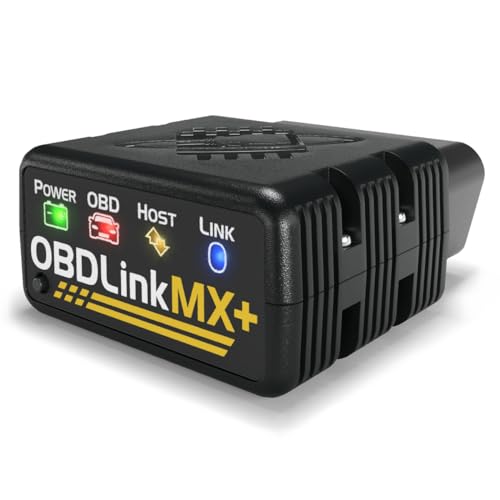
OBDLink MX+ Bluetooth OBD2 Scanner for iPhone, Android, and Windows
The OBDLink MX+ is a versatile Bluetooth OBD2 scanner that transforms your smartphone or PC into an advanced vehicle diagnostic tool. Compatible with multiple popular apps, it provides extensive live data and the ability to clear check engine lights while offering robust support for a wide range of car brands.
Key Features:
- Compatible with iPhone, Android, and Windows devices for professional-grade vehicle diagnostics
- Supports popular apps like FORScan, Torque, BimmerCode, Dashcommand, AlfaOBD, and Carista
- Enhanced OEM support for Ford, GM, Mazda, Nissan/Infiniti, Toyota/Lexus/Scion, Honda, Hyundai, and Kia
- Clear check engine light and access extensive live data including ABS, SRS, and TPMS
- Includes over-voltage and battery drain protection with free firmware updates
Pros
- Wide device compatibility including iOS, Android, and Windows
- Supports numerous popular diagnostic and coding apps
- Provides extensive live data beyond standard OBD parameters
Cons
- May require app purchases or subscriptions for full functionality
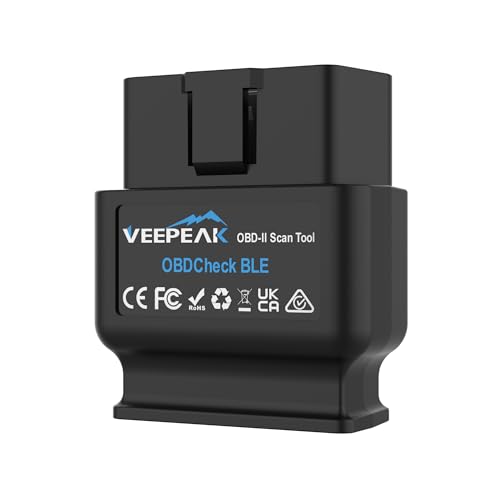
Veepeak Bluetooth OBD-II Scanner for iOS & Android
The Veepeak Bluetooth OBD-II Scanner offers a reliable way to read and clear engine trouble codes, monitor live sensor data, and check vehicle health wirelessly. Compatible with most 1996 and newer vehicles, this compact tool connects easily to iOS and Android devices, making car diagnostics simple and accessible on the go.
Key Features:
- Reads and clears check engine light codes, freeze frame data, and I/M readiness status
- Compatible with most 1996+ cars and light trucks in the US, with limited support for electric vehicles
- Supports Bluetooth LE and Classic connections for Android and Bluetooth LE for iOS devices
- Works with popular apps like Car Scanner, Torque, BimmerCode, and more (apps sold separately)
- Advanced diagnostics like ABS, SRS, TPMS available only on select models via specific apps
- Does not support some advanced functions such as oil light reset, EPB reset, or transmission temperature monitoring
Pros
- Easy wireless connection to smartphones and tablets
- Broad vehicle compatibility with standard OBD-II functions
- Supports multiple popular diagnostic apps
Cons
- Limited advanced diagnostic features and unsupported on some vehicle models
Why Mileage Correction Matters More Than You Think
Ever glanced at your odometer only to realize the reading looks off? Maybe it's due to an instrument cluster malfunction or after a dashboard replacement. Mileage correction isn't about cheating, it's about keeping your vehicle's records honest and accurate. An accurate odometer reading affects resale value, maintenance schedules, and even insurance premiums. It's kind of like the heartbeats of your car's life story, when those beats get out of sync, things can go sideways.
What's the Deal With OBD-II Scanners Anyway?
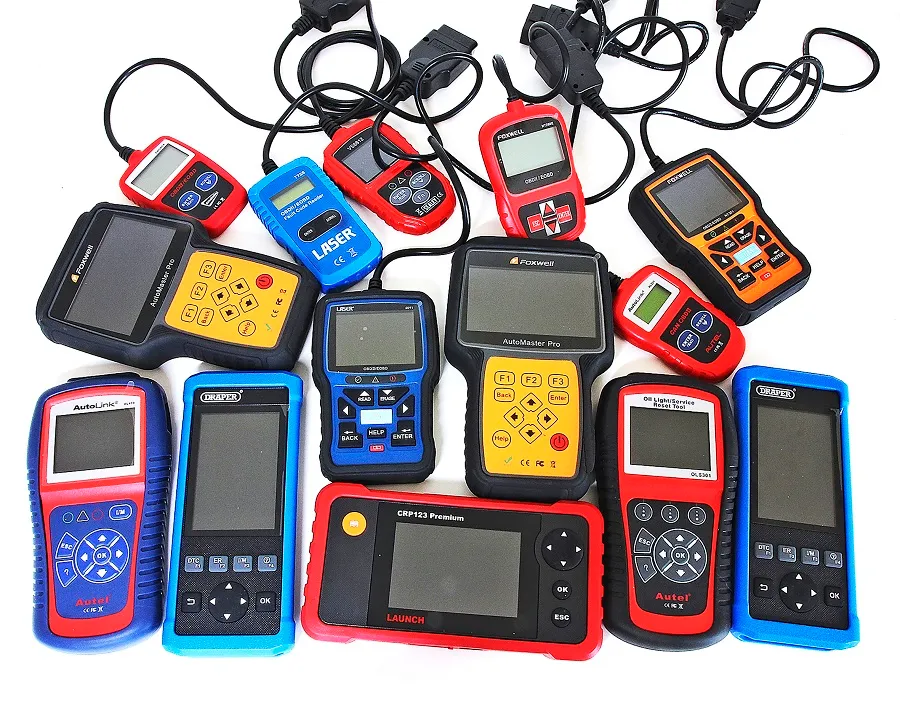
OBD-II scanners are little gadgets that connect to your car's onboard computer, usually through the port under your dashboard. From here, they can read fault codes, monitor performance data, and, if they're up to snuff, adjust certain settings, including mileage. Not every scanner is a magic wand, though. You'll want one that's geared for mileage correction specifically, as most just fetch diagnostic codes or live sensor data.
Key Features That Make Mileage Correction Scanners Stand Out
Reviews you may find interesting:
6 Best DIY Car Repair Tools (2026 Review Guide)7 Best Jump Starters (2026 Review Guide)
8 Best Tire Shines (2026 Review Guide)
So, what makes an OBD-II scanner perfect for mileage correction? Here's a quick checklist to keep in mind:
- Compatibility: It should work with your car's make and model. Some scanners are super universal; others are more brand-specific.
- Correction Functions: Straightforward mileage editing options with safeguards, because a little too much tweaking can get messy.
- Ease of Use: Nobody wants to wrestle with cryptic menus. User-friendly interfaces with clear instructions are a lifesaver.
- Data Backup: The ability to save existing mileage data before correction helps avoid irreversible errors.
- Safety Checks: Some models run pre-correction diagnostics that warn if the odometer data is locked or protected.
- Update Support: Regular firmware and software updates keep the scanner sharp against new vehicle protocols and security measures.
Things to Keep in Mind Before Making Any Corrections
Alright, a little honesty here, this isn't a DIY weekend project for absolute beginners. Correcting mileage without proper understanding can brick your vehicle's computer system, cause legal troubles, or mess with warranty coverage. Here's the thing: if you're correcting mileage due to legitimate reasons (like repairing an odometer fault), documentation is your best friend. Always keep a record of what was changed and why.
Also, laws around mileage correction vary wildly by region. What's totally kosher in one place might be illegal in another. By the way, It pays off to do a quick local law check before fiddling around.
Quick Tips to Make Mileage Correction Smoother
Let me share a few pointers that can save you a headache or two:
- Double Check Compatibility: Download your scanner's manual or check online forums for your vehicle model's experience.
- Backup Everything: Before adjusting, always back up your current data, just in case you need to revert.
- Follow Step-by-Step: Use the scanner's official guides or video walkthroughs, cutting corners rarely works.
- Keep Battery Stable: Low battery voltage can interrupt a correction and cause permanent damage.
- Consult Pros if Unsure: When in doubt, take your scanner and car to a trusted mechanic or specialist.
Wrapping Up: Your Mileage Correction Journey
Correcting your car's mileage using an OBD-II scanner is a handy skill, especially if you value accuracy and want to maintain your vehicle's health. It's not just about numbers, it's about keeping your car's story truthful and reliable. With the right tool and a bit of care, you can handle mileage correction without the usual stress or confusion.
You know, plenty of people shy away from techy stuff like this, thinking it's too complicated or risky. But honestly, it's just another part of car ownership, like changing oil or rotating tires, with a solid scanner at your side. Just remember to respect laws, document your actions, and back up data. That way, there's nothing to fear, and everything to gain.
Now that you know what to look for and how to approach mileage correction, you're well on your way to making smarter choices with your vehicle's maintenance and value. Keep your car's odometer honest, the way it should be.